



Illinois Surrogacy Myths: What Potential Surrogates Should Know
December 18, 2025 by Frank Golden

If you have ever considered becoming a Surrogate, you have probably heard some things that made you pause. Maybe a friend shared a story that sounded concerning. Maybe you read something online that did not seem quite right. You are not alone!
Illinois surrogacy myths are surprisingly common. Misinformation spreads easily, and it often stops qualified women from exploring a journey that could be deeply meaningful. The truth is that Illinois has some of the strongest Surrogate protections in the country. But you would not know that from the myths floating around!
This article will separate fact from fiction. We will address the most common misconceptions about surrogacy in Illinois and give you the accurate information you need to make an informed decision.
Table of Contents
- Why There Are So Many Surrogacy Myths
- Myth #1 – “Surrogates Are Giving Up Their Own Baby”
- Myth #2 – “Surrogacy Is Not Legal in Illinois”
- Myth #3 – “Surrogates Are Not Medically Protected”
- Myth #4 – “Insurance Does Not Cover Surrogacy”
- Myth #5 – “Surrogates Are Taken Advantage Of Financially”
- Myth #6 – “Surrogates Lose Control Over Their Bodies”
- Myth #7 – “Surrogacy Is Emotionally Harmful”
- How Ethical Agencies Prevent These Myths From Becoming Reality
- Frequently Asked Questions About Illinois Surrogacy Myths
- Making an Informed Decision About Surrogacy in Illinois
Why There Are So Many Surrogacy Myths
Surrogacy myths exist for several reasons. Media portrayals often dramatize surrogacy stories for entertainment value. Movies and television rarely show the calm, well-supported reality that most Surrogates experience!
Social stigma also plays a role. Outdated beliefs about pregnancy and motherhood can create misunderstandings. Some people still confuse gestational surrogacy with traditional surrogacy, which are two very different things.
Additionally, Illinois surrogacy laws are often misunderstood. Many people do not realize how protective Illinois actually is for Surrogates. The state has had clear surrogacy legislation since 2005, but this fact is not widely known.
Understanding where myths come from helps you evaluate information more critically. Knowledge is your best tool!
Myth #1 – “Surrogates Are Giving Up Their Own Baby”
This is perhaps the most common myth, and it is completely false for gestational surrogacy!
In gestational surrogacy, the Surrogate has no genetic connection to the baby. The embryo is created using eggs from the Intended Mother or an egg donor. The Surrogate carries the pregnancy, but the baby is not biologically hers.
This is very different from traditional surrogacy, where the Surrogate’s own egg is used. Traditional surrogacy is rarely practiced today. Most surrogacy journeys, including those in Illinois, are gestational.
Illinois law recognizes this important distinction. The legal structure in Illinois establishes the Intended Parents as the legal parents before birth. This creates clarity and emotional peace for everyone involved.
Surrogates often describe their role as helping someone else’s baby grow. They are not giving anything up. They are giving a gift!

Myth #2 – “Surrogacy Is Not Legal in Illinois”
This myth could not be further from the truth! Gestational surrogacy is absolutely legal in Illinois.
Illinois passed the Gestational Surrogacy Act in 2005. This law provides a clear legal framework that protects Surrogates and Intended Parents alike. Illinois is actually considered one of the most surrogacy-friendly states in the country!
Under Illinois law, surrogacy contracts are legally binding and enforceable. Courts actively uphold these agreements when necessary. This legal recognition provides security for Surrogates throughout the journey.
One of the strongest protections is the pre-birth order. In Illinois, parentage is established before the baby is born. The Intended Parents’ names go directly on the birth certificate. This eliminates any legal uncertainty after delivery.
For more details about how Illinois law works, check out our guide on Illinois surrogacy laws.
Myth #3 – “Surrogates Are Not Medically Protected”
Medical protection is actually a cornerstone of ethical surrogacy! Surrogates go through comprehensive screening before being approved.
The American Society for Reproductive Medicine (ASRM) provides guidelines that reputable fertility clinics follow. These include thorough medical history reviews, physical examinations, and lab testing.
Only women who meet strict Illinois surrogate requirements are approved to move forward. You must be between 21 and 40 years old. You must have had at least one healthy pregnancy and delivery. You must be in good overall health.
Throughout pregnancy, Surrogates receive ongoing prenatal care. Clinics monitor every step of the journey. The goal is always to protect both the Surrogate and the pregnancy.
Medical screening is not about judgment. It is about ensuring your health and safety come first!
Myth #4 – “Insurance Does Not Cover Surrogacy”
Insurance in surrogacy is more nuanced than this myth suggests. Some insurance policies do cover surrogacy-related care. Others have exclusions.
The important thing to understand is that insurance is reviewed before pregnancy begins. This happens during the early stages of the Illinois surrogacy timeline. No one moves forward without clarity about coverage.
When a Surrogate’s existing policy does not cover surrogacy, supplemental insurance is secured. This ensures the Surrogate is fully protected for all pregnancy-related medical costs.
Here is the key point: Intended Parents cover surrogacy-related insurance costs. Surrogates are not responsible for these expenses. This protection is built into the surrogacy agreement.
Insurance review protects you from unexpected bills. It is a standard part of ethical surrogacy practice!
Myth #5 – “Surrogates Are Taken Advantage Of Financially”
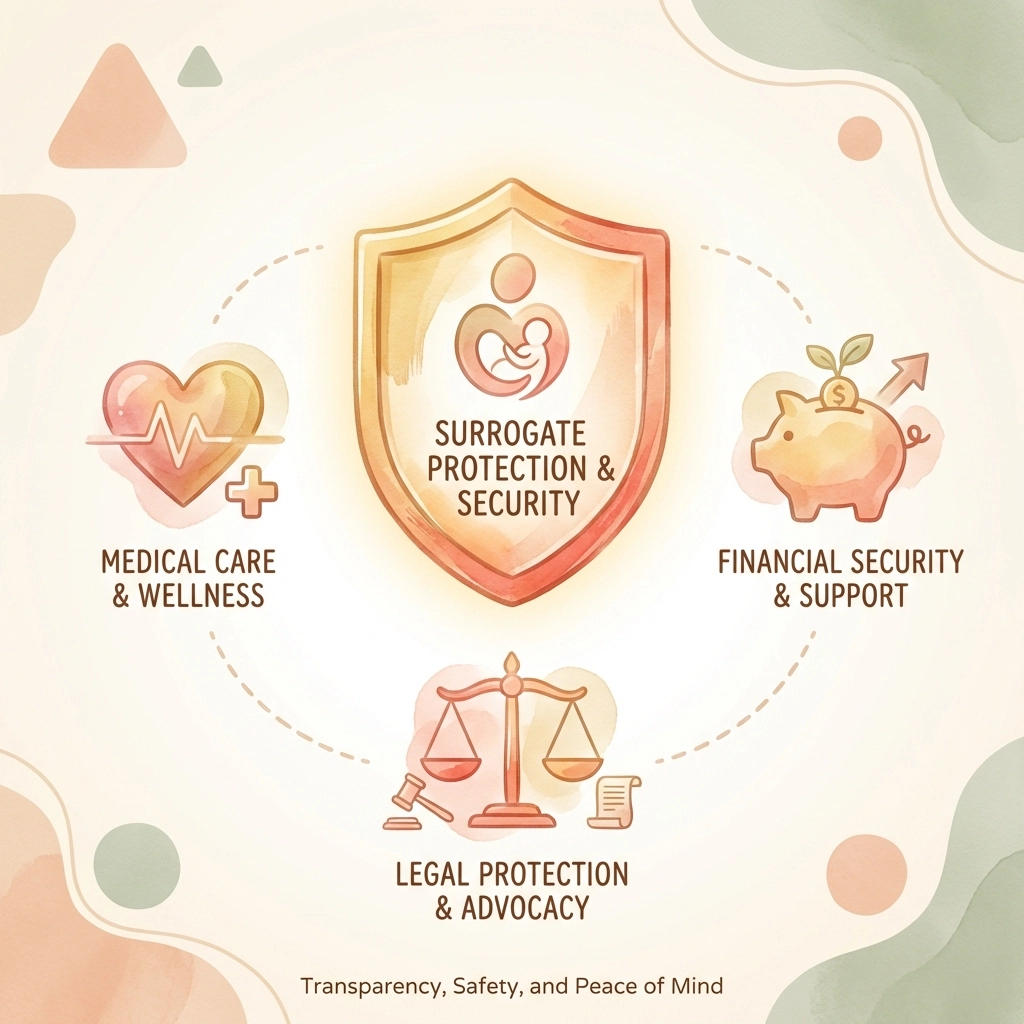
Financial protection is central to ethical surrogacy. Illinois law and agency standards work together to ensure fair treatment.
Surrogate compensation in Illinois is clearly defined before any medical steps begin. Compensation includes a base payment plus additional amounts for specific circumstances. Everything is outlined in writing.
All compensation flows through an independent escrow account. This means a third party manages the funds professionally. Surrogates receive payments on schedule, tied to specific milestones.
Illinois law specifically protects a Surrogate’s right to fair compensation. You are legally entitled to be paid for your time, effort, and the physical demands of pregnancy.
Transparency is essential. Ethical agencies explain every aspect of compensation before you commit. There should never be surprises!
Myth #6 – “Surrogates Lose Control Over Their Bodies”
This myth is especially harmful because it could not be more wrong. Illinois law explicitly protects a Surrogate’s medical decision-making rights!
You have complete control over your healthcare decisions during pregnancy. No one can force medical choices on you. This includes decisions about prenatal care, delivery preferences, and more.
Surrogacy agreements include detailed provisions about medical consent. These are discussed and agreed upon before pregnancy. But even with a contract in place, your bodily autonomy is protected by law.
Informed consent is a requirement at every stage. You will always understand what is happening and why. Your voice matters throughout the entire journey.
Respect for Surrogate autonomy is not optional. It is a legal right in Illinois!
Myth #7 – “Surrogacy Is Emotionally Harmful”
Emotional well-being is taken seriously in surrogacy. That is why psychological screening is a required step.
Before approval, Surrogates meet with licensed mental health professionals. This evaluation assesses emotional readiness and ensures you understand what the journey involves. It is not about finding reasons to say no. It is about making sure you feel prepared and supported.
Support continues throughout pregnancy and after delivery. Many agencies provide access to counseling resources. Some Surrogates also connect with other Surrogates for peer support.
According to the CDC, mental health support during pregnancy improves outcomes for everyone. Ethical surrogacy programs prioritize this support.
Most Surrogates describe their experience as positive and fulfilling. Many say it was one of the most meaningful things they have ever done. Experiences vary, but emotional harm is not an inevitable part of surrogacy!
How Ethical Agencies Prevent These Myths From Becoming Reality
At Golden Surrogacy, Founder Frank Golden leads the team with a family-first approach. Every Surrogate is guided with care and respect!
Ethical agencies like Golden Surrogacy prevent these myths from becoming reality through several key practices:
Education before commitment. You receive complete information before making any decisions. There is no pressure to move forward before you are ready.
Transparency at every step. From compensation to insurance to legal protections, everything is explained clearly. Questions are always welcome.
Dedicated support. A Care Team supports Surrogates throughout the journey. The Agency Director is available via phone, text, and email. You are never alone.
Advocacy for understanding. Your team ensures you understand your rights and protections. They advocate for your well-being at every stage.
When agencies operate ethically, the myths simply do not match reality. That is why choosing the right agency matters so much!
Frequently Asked Questions About Illinois Surrogacy Myths
Can a Surrogate keep the baby?
In gestational surrogacy, the Surrogate has no genetic connection to the baby. Illinois law establishes Intended Parents as legal parents before birth through a pre-birth order. The Intended Parents’ names go directly on the birth certificate.
Is surrogacy safe?
Surrogacy involves standard pregnancy risks, but comprehensive screening ensures only healthy candidates are approved. Ongoing prenatal care and clinic oversight prioritize Surrogate safety throughout the journey.
Are Surrogates legally protected in Illinois?
Yes! Illinois has some of the strongest Surrogate protections in the country. The Gestational Surrogacy Act ensures contracts are enforceable, compensation is protected, and medical decision-making rights are preserved.
Is surrogacy emotionally difficult?
Every person’s experience is unique. Psychological screening helps ensure emotional readiness. Support is available throughout the journey and after delivery. Many Surrogates describe the experience as deeply rewarding.
How do I know if an agency is ethical?
Look for transparency, clear communication, and a focus on Surrogate education. Ethical agencies explain everything before commitment and provide dedicated support. Learn more about becoming a surrogate in Illinois with a trusted agency.
Making an Informed Decision About Surrogacy in Illinois
Facts matter more than fear. The myths surrounding surrogacy often come from outdated information or misunderstandings. Illinois law provides strong protections for Surrogates, and ethical agencies prioritize your well-being.
Education is empowering. The more you learn, the more confident you will feel about your decision, whatever that decision may be.
If you are considering surrogacy in Illinois, take your time. Ask questions. Gather accurate information. There is no rush!
When you feel informed and ready, Golden Surrogacy is here to support you. Our team is happy to answer your questions and help you explore whether this journey might be right for you.
Your next step is simply to keep learning. The right decision will become clear when you have the facts you need!