



Illinois Surrogate Clinic Screening: What to Expect
December 25, 2025 by Frank Golden

If you’re thinking about becoming a Surrogate in Illinois, you probably have questions about what happens during the screening process. That’s completely normal! Understanding Illinois surrogate clinic screening is one of the best ways to feel prepared and confident as you explore this journey.
Here’s the good news: clinic screening isn’t about judging you. It’s about protecting you. Every evaluation exists to make sure you’re healthy, supported, and ready for pregnancy. The process is thorough because your well-being matters most.
In this guide, we’ll walk you through exactly what to expect during clinic screening in Illinois. You’ll learn about medical evaluations, psychological assessments, typical timelines, and how Golden Surrogacy supports you every step of the way. Let’s dive in!
Table of Contents
- Why Clinic Screening Is Required for Surrogates
- Medical Screening for Illinois Surrogates
- Psychological Screening for Surrogates
- How Fertility Clinics Evaluate Overall Surrogate Readiness
- How Long Clinic Screening Typically Takes in Illinois
- Red Flags in Inadequate Clinic Screening
- How Golden Surrogacy Supports Surrogates Through Clinic Screening
- Frequently Asked Questions About Illinois Surrogate Clinic Screening
- What Comes After Clinic Screening?
Why Clinic Screening Is Required for Surrogates
Clinic screening is one of the most important steps in the surrogacy process. It ensures that you’re physically healthy enough for pregnancy and emotionally prepared for the journey ahead.
Illinois fertility clinics follow strict screening protocols for good reasons. According to the American Society for Reproductive Medicine (ASRM), comprehensive screening protects the health of Surrogates and supports positive pregnancy outcomes.
These evaluations aren’t about finding reasons to say no. They’re about making sure you have the best possible experience. When clinics take the time to screen thoroughly, they’re investing in your safety and success.
Ethical surrogacy practices always put Surrogate health first. That’s why reputable agencies and clinics never rush this step. Your well-being is the foundation of everything else in the process.
Understanding Illinois surrogate requirements before your clinic visit can help you feel more prepared and confident.
Medical Screening for Illinois Surrogates
Medical screening gives fertility clinics a complete picture of your health. This helps them determine whether pregnancy would be safe for you. Let’s break down what’s involved!

Medical History Review
Your screening begins with a detailed review of your medical history. The clinic will ask about:
- Previous pregnancies and deliveries
- Any complications you experienced
- Chronic health conditions
- Medications you currently take
- Surgeries or hospitalizations
This conversation helps the medical team understand your unique health background. Be honest and thorough! The more information you share, the better they can support you.
Physical Exams and Lab Testing
Next comes a comprehensive physical examination. A healthcare provider will check your:
- Heart and lungs
- Blood pressure and vital signs
- Abdomen and pelvic area
You’ll also complete blood work and lab testing. According to the CDC, standard screenings typically include:
- Complete blood count
- Blood type testing
- HIV and hepatitis screening
- Infectious disease panels
- Hormone level testing
Many clinics also perform a transvaginal ultrasound. This examines your uterus for any abnormalities like fibroids, cysts, or scar tissue. Some clinics use saline infusion sonography to get an even clearer view of your uterine lining.
These tests might sound like a lot, but they’re routine and straightforward. Most Surrogates find them much easier than expected!
Prior Pregnancy Requirements
One of the most important requirements is having successfully delivered at least one healthy baby. This shows that your body has carried a pregnancy to term without major complications.
Clinics look at your pregnancy history carefully. They want to see that you had healthy pregnancies and smooth deliveries. This gives them confidence that surrogacy would be safe for you.
If you have questions about specific requirements, reviewing the Illinois surrogate requirements can provide helpful clarity.
Psychological Screening for Surrogates
Psychological screening is just as important as medical evaluation. It ensures you’re emotionally ready for the surrogacy journey and helps protect your mental health throughout the process.
During psychological screening, you’ll meet with a licensed mental health professional. This consultation typically lasts about two hours, though it may be split into shorter sessions.
The mental health professional will discuss:
- Your motivation for becoming a Surrogate
- Your understanding of the surrogacy process
- Your support network and relationships
- How you handle stress and challenging situations
- Your expectations for the journey
You’ll also complete a standardized psychological assessment. The Personality Assessment Inventory (PAI) is commonly used and takes about 30 to 45 minutes. A licensed psychologist reviews your results to evaluate your overall readiness.
This isn’t about finding problems. It’s about making sure you have the emotional tools and support you need. Psychological screening protects you long-term by confirming you’re making an informed decision.
Your Primary Support Person may also have a separate screening. This ensures you have someone in your corner who understands the journey and can provide meaningful support.
How Fertility Clinics Evaluate Overall Surrogate Readiness
Fertility clinics work closely with surrogacy agencies to evaluate your overall readiness. This coordination ensures nothing falls through the cracks.
Different clinics may have slightly different requirements. Some are more conservative than others. That’s why working with an experienced agency matters. They know which clinics work best for different situations.
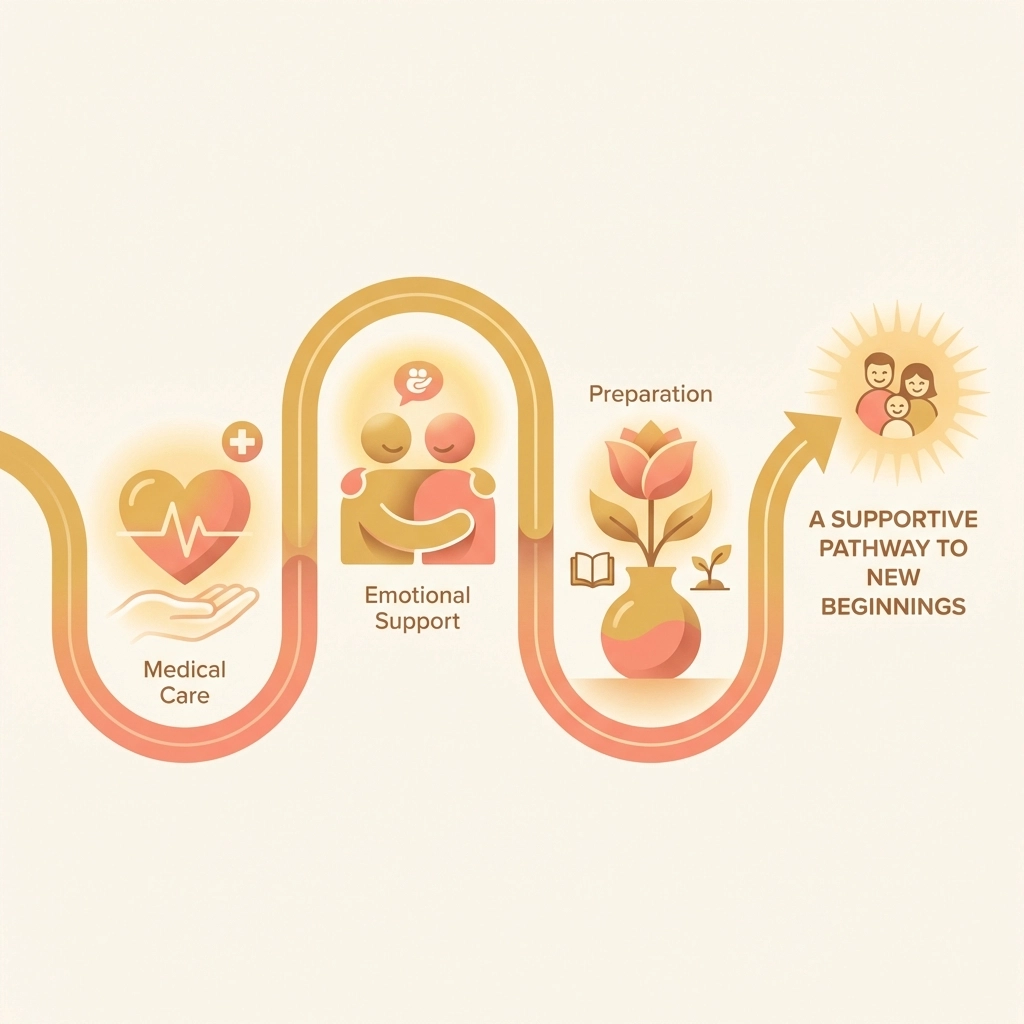
Clinics evaluate several factors when determining readiness:
- Medical screening results
- Psychological assessment outcomes
- Your understanding of the process
- Your support system strength
- Your ability to follow medical protocols
The goal is making sure you’re set up for success. When all the pieces come together, you’ll feel confident moving forward.
Understanding the complete Illinois surrogacy timeline helps you see how clinic screening fits into the bigger picture.
How Long Clinic Screening Typically Takes in Illinois
Most Surrogates complete clinic screening within two to three months. However, timelines vary based on individual circumstances and clinic schedules.
Several factors can affect how long screening takes:
- Clinic availability and scheduling
- How quickly you can complete paperwork
- Whether additional testing is needed
- Coordination with your menstrual cycle
In-person screening appointments often need to align with specific points in your menstrual cycle. This timing requirement can affect scheduling.
Here’s what you can do to avoid delays:
- Respond promptly to clinic requests
- Gather medical records early
- Complete paperwork thoroughly
- Keep your schedule flexible for appointments
- Communicate openly with your agency
Your Dedicated Care Team at Golden Surrogacy helps coordinate all appointments and keeps everything on track. The Agency Director is available via phone, text, and email to answer questions along the way!
Red Flags in Inadequate Clinic Screening
Thorough screening protects you. That’s why it’s important to recognize when screening isn’t being done properly.
Watch out for these warning signs:
Rushed approvals. Quality screening takes time. If a clinic or agency tries to rush you through evaluations, that’s a concern.
Missing evaluations. Skipping psychological screening or reducing medical testing puts Surrogates at risk. Every evaluation serves a purpose.
Lack of transparency. You should understand what each step involves and why it matters. If no one explains the process clearly, ask questions.
Pressure to proceed. No one should pressure you to move forward before you’re ready. Screening clarity always comes before commitment.
Ethical agencies never cut corners on screening. Your health and safety are too important. When evaluating agencies, look for green flags that indicate quality care.
How Golden Surrogacy Supports Surrogates Through Clinic Screening
At Golden Surrogacy, we believe every Surrogate deserves exceptional support during screening. Founder Frank Golden leads our team, and we guide every Surrogate like family.
Here’s how we support you through clinic screening:
Appointment coordination. Your Dedicated Care Team handles scheduling and logistics. We make sure appointments work with your life.
Education before clinic visits. We explain exactly what to expect so you feel prepared and confident. No surprises!
Advocacy and communication. We communicate with clinics on your behalf and make sure your questions get answered.
Transparency at every step. We keep you informed throughout the process. You’ll always know what’s happening and why.
We’re here to reduce stress and help you feel supported. Exploring becoming a surrogate in Illinois is easier when you have a caring team by your side!
Frequently Asked Questions About Illinois Surrogate Clinic Screening
Does clinic screening hurt?
Most screening procedures are comfortable and routine. Blood draws involve a small needle prick. Ultrasounds may feel slightly uncomfortable but aren’t painful. If you’re nervous about any procedure, let the medical team know. They’ll do everything possible to keep you comfortable.
Can a Surrogate fail screening?
Screening isn’t a pass or fail test. It’s an evaluation of whether surrogacy is safe and appropriate for you right now. Some women may not meet requirements due to medical or psychological factors. This isn’t a personal failure. It simply means surrogacy might not be the right fit at this time.
Who pays for clinic screening?
Intended Parents typically cover all screening costs. You shouldn’t have out-of-pocket expenses for medical or psychological evaluations. Your agency can explain exactly how costs are handled. Learn more about surrogate compensation in Illinois for complete financial details.
What happens if a clinic does not approve me?
If a clinic doesn’t approve you, your agency will explain the reasons clearly. Sometimes issues can be addressed. Other times, surrogacy may not be recommended. Either way, you’ll receive honest, respectful communication. Not qualifying is never treated as a personal judgment.
How should I prepare for screening?
Take a moment to reflect back on your previous pregnancies. Be ready to discuss your health history honestly. Get plenty of rest before appointments. Ask your agency any questions you have beforehand. The more prepared you feel, the smoother the process will go!
What Comes After Clinic Screening?
Once you complete clinic screening successfully, exciting next steps await!
After matching and in-person clinic screening, the legal process starts. This only begins after you receive medical clearance. You’ll work with independent legal counsel to review and sign your surrogacy agreement. Understanding Illinois surrogacy laws helps you feel confident during this phase.
During the second trimester of pregnancy, birth rights coordination and hospital planning begin. Your team handles these details so you can focus on taking care of yourself.
Remember: screening clarity always comes before commitment. You’ll have complete information before making any decisions. There’s no pressure to rush.
Take the Next Step When You’re Ready
Understanding Illinois surrogate clinic screening is an important part of exploring surrogacy. Now you know what evaluations involve, why they matter, and how the process protects you.
If you’re curious about whether surrogacy might be right for you, we’re here to help. Golden Surrogacy provides education, support, and guidance at your own pace.
Take all the time you need. When you feel informed and ready, we’d love to hear from you. Your questions are always welcome, and there’s never any pressure.
Explore becoming a surrogate in Illinois to learn more about starting your journey!