



New York Surrogate Clinic Screening: What to Expect
December 2, 2025 by Frank Golden
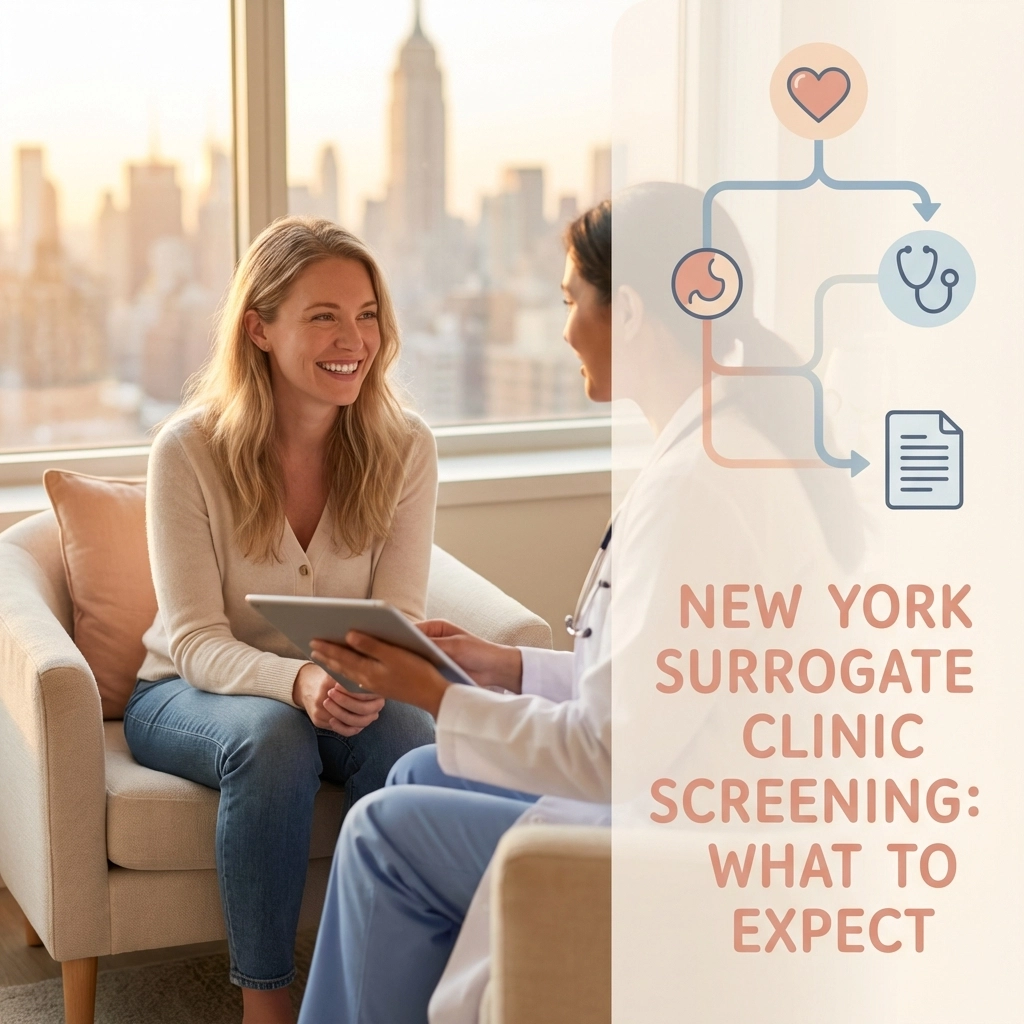
If you’re considering becoming a Surrogate in New York, you’ve probably wondered about the clinic screening process! New York surrogate clinic screening is a comprehensive evaluation designed to ensure your health, safety, and readiness for the surrogacy journey. This isn’t about judging you as a person. It’s about making sure surrogacy is the right fit for you and that you have the support you need.
Many women feel nervous about screening. That’s completely normal! Understanding what to expect can help ease those worries and give you confidence as you explore this amazing opportunity to help build families.
This guide walks you through every step of the clinic screening process in New York. You’ll learn about medical evaluations, psychological assessments, and how long everything takes. Most importantly, you’ll discover how the right agency supports you through it all!
Table of Contents
- Why Clinic Screening Is Required for Surrogates
- Medical Screening for New York Surrogates
- Psychological Screening for Surrogates
- How Fertility Clinics Evaluate Overall Surrogate Readiness
- How Long Clinic Screening Typically Takes
- Red Flags in Inadequate Clinic Screening
- How Golden Surrogacy Supports Surrogates Through Screening
- Frequently Asked Questions About Surrogate Clinic Screening
- What Comes After Clinic Screening?
Why Clinic Screening Is Required for Surrogates
Clinic screening exists to protect you! It’s not about creating barriers or making judgments. The screening process ensures that surrogacy is medically and emotionally safe for you.
Medical safety comes first. Fertility clinics need to understand your health history and current wellness status. They want to make sure your body is ready for pregnancy and that any potential risks are identified early. This protects both you and the baby you’ll carry.
Ethical standards matter too. Professional medical organizations like the American Society for Reproductive Medicine (ASRM) have established guidelines for surrogate screening. These standards ensure all fertility clinics follow best practices that prioritize your wellbeing.
Long-term health considerations are important. The screening process helps identify any health conditions that could affect your future pregnancies or overall wellness. This information helps your medical team provide better care throughout the journey.
Screening requirements can vary by clinic and individual circumstances. Some clinics may have additional requirements based on their specific protocols or your medical history. The key is finding a clinic that takes a thorough but respectful approach to evaluation.
Your autonomy matters throughout this process. Good clinics explain each step clearly and answer all your questions. You should never feel rushed or pressured during screening appointments.

Medical Screening for New York Surrogates
Medical screening forms the foundation of clinic evaluation. New York fertility clinics follow established protocols to assess your physical readiness for surrogacy. Here’s what you can expect!
Medical History Review
Your medical team will review your complete health history. This includes previous pregnancies, surgeries, medications, and any ongoing health conditions.
They’ll ask about your family medical history too. This information helps identify potential genetic factors or health patterns that could affect pregnancy.
Be completely honest during this review! Hiding health information doesn’t protect you. It actually puts you at greater risk. Your medical team needs accurate information to keep you safe.
The review typically covers your menstrual cycle history, contraceptive use, and any pregnancy complications you’ve experienced. Don’t worry if you’ve had challenges in the past. Many successful Surrogates have navigated various health experiences!
Physical Exams and Lab Testing
Your physical examination will be thorough but similar to routine gynecological care. The exam includes standard measurements, vital signs, and a pelvic examination.
Lab testing covers several important areas:
- Complete blood count and basic metabolic panel
- Infectious disease screening (HIV, hepatitis B and C, syphilis)
- Sexually transmitted infection testing
- Drug screening for you and your partner (if applicable)
- Blood type and Rh factor determination
Some clinics may require additional testing based on your medical history or specific protocols. The CDC guidelines for pregnancy health inform many of these testing requirements.
A saline sonogram evaluates your uterine cavity. This procedure uses sterile saline to expand your uterus slightly, allowing clear ultrasound imaging. It’s mildly uncomfortable but not painful for most women.
Prior Pregnancy Requirements
Most New York fertility clinics require Surrogates to have completed at least one successful pregnancy and delivery. This requirement exists because previous pregnancy demonstrates your body’s ability to carry a baby to term.
Your delivery records will be reviewed carefully. This includes information about your labor, delivery method, any complications, and postpartum recovery. Clinics want to understand your pregnancy experiences to assess future risks.
Some clinics have specific requirements about delivery types or pregnancy outcomes. For example, some may prefer candidates who’ve had vaginal deliveries, while others are comfortable with previous cesarean sections.
Recent pregnancies might require additional waiting time. Many clinics prefer that at least 12-18 months have passed since your last delivery before beginning a surrogacy journey. This allows your body to fully recover.
Psychological Screening for Surrogates
Psychological screening ensures you’re emotionally prepared for the unique aspects of surrogacy! This isn’t about questioning your mental health. It’s about making sure you understand the journey ahead and have the emotional tools to navigate it successfully.
The purpose of psychological evaluation goes beyond basic assessment. Mental health professionals want to understand your motivations for becoming a Surrogate, your support system, and how you handle stress or difficult situations.
You’ll discuss your understanding of the surrogacy process, including the relationship with Intended Parents and the experience of carrying a baby for another family. The evaluator wants to ensure you have realistic expectations and healthy boundaries.
Communication expectations are explored thoroughly. Surrogacy involves ongoing communication with Intended Parents, medical providers, and your agency. The psychological screening assesses your comfort level with these relationships and your communication style.
Your support system is evaluated too. The mental health professional will ask about your family’s support for your surrogacy decision, including your partner and children. A strong support network is crucial for a positive experience.
This screening often includes standardized psychological assessments and personality inventories. These tools help identify your coping strategies, stress management skills, and emotional resilience.
Why this step protects you is important to understand. Psychological screening identifies potential emotional challenges before they become problems. Early identification allows for better support and resources throughout your journey.
Some evaluations include sessions with your partner or family members. This helps ensure everyone understands the commitment and is supportive of your decision.
How Fertility Clinics Evaluate Overall Surrogate Readiness
Fertility clinics don’t make screening decisions in isolation! They work closely with experienced surrogacy agencies to evaluate your overall readiness for the journey ahead.
Coordination between clinics and agencies is essential. Your agency provides valuable context about your application process, motivations, and personal circumstances that complement the medical evaluation.
Different clinics may have varying screening protocols. Some are more conservative in their requirements, while others may be more flexible based on individual circumstances. This is why agency partnerships matter so much!
The importance of experienced clinic partnerships cannot be overstated. Agencies like Golden Surrogacy work with fertility clinics that understand surrogacy-specific needs and have established protocols for Surrogate care.
Clinics evaluate not just your medical fitness, but your overall life circumstances. They consider your living situation, work schedule, childcare arrangements, and ability to attend appointments throughout pregnancy.
Financial stability is often reviewed too. While you’ll receive compensation for surrogacy, clinics want to ensure you’re not facing financial desperation that might compromise your decision-making.
Your relationship dynamics with the Intended Parents are assessed during this phase. Clinics want to see evidence of good communication and mutual respect before proceeding with medical procedures.
The clinic’s final approval considers all these factors together. It’s not just about passing individual tests. It’s about demonstrating readiness for the complete surrogacy experience!
How Long Clinic Screening Typically Takes
Timing varies significantly based on several factors! Understanding realistic timelines helps you plan and reduces anxiety about the process.
Average timelines range from 4-8 weeks from the start of screening to final approval. However, this can be shorter or longer depending on your specific circumstances and the clinic’s schedule.
Several factors affect timing:
- Your menstrual cycle (some tests must be done at specific cycle phases)
- Availability of appointments at busy fertility clinics
- Results processing time for lab work
- Need for additional testing based on initial results
- Coordination between multiple providers
What you can do to prepare helps speed the process! Gather your medical records in advance, including obstetric records from previous pregnancies. Having complete documentation ready prevents delays.
Schedule your initial appointments as soon as possible after matching with Intended Parents. Fertility clinics often book several weeks out, especially for comprehensive screening appointments.
Follow all pre-appointment instructions carefully. This might include fasting for blood work, avoiding certain medications, or tracking your menstrual cycle. Proper preparation prevents the need to reschedule appointments.
Stay in close communication with your agency coordinator during this phase. They can help navigate scheduling challenges and ensure all requirements are met efficiently.
Some screening steps can happen simultaneously, while others must be completed in sequence. Your agency helps coordinate this timeline to minimize delays while ensuring thoroughness.
Red Flags in Inadequate Clinic Screening
Not all fertility clinics maintain the same standards! Recognizing warning signs of inadequate screening protects you from potential problems down the road.
Rushed approvals should concern you. If a clinic wants to approve you for surrogacy after just one brief appointment or minimal testing, that’s a red flag. Thorough screening takes time and multiple evaluations.
Missing key evaluations indicate poor protocols. Every Surrogate screening should include comprehensive medical testing, psychological evaluation, and thorough record review. Skipping any of these steps suggests inadequate standards.
Poor communication during screening is problematic. You should receive clear explanations of all tests and procedures. Staff should answer your questions patiently and provide detailed information about results.
Pressure to proceed quickly often indicates problems. Reputable clinics understand that screening takes time and won’t rush you through the process. Pressure suggests they prioritize speed over safety.
Inadequate record-keeping can cause issues later. Professional clinics maintain detailed records of all screening results and provide copies to you and your agency. Poor documentation suggests disorganized practices.
Why cutting corners harms Surrogates is important to understand. Inadequate screening can miss health conditions that affect pregnancy safety, fail to identify emotional readiness issues, or create legal complications later.
Some clinics may try to minimize costs by reducing screening requirements. This false economy puts you at risk and suggests the clinic doesn’t prioritize Surrogate well-being.
Working with an experienced agency helps you avoid these problems. Established agencies partner only with clinics that maintain high screening standards and prioritize Surrogate safety.
How Golden Surrogacy Supports Surrogates Through Screening
At Golden Surrogacy, we believe screening should be thorough but supportive! Our approach ensures you feel informed and comfortable throughout the evaluation process.
Coordination and scheduling support removes stress from your experience. Our team handles appointment scheduling with fertility clinics, coordinates timing with your cycle, and ensures all requirements are met efficiently.
Frank Golden leads our team with a family-focused approach. He guides every Surrogate through screening as if you were his own family member, ensuring you receive the support and advocacy you deserve.
Our dedicated Care Team supports you throughout every step. From explaining test procedures to reviewing results with you, we’re here to answer questions and provide reassurance when you need it.
Advocacy and education are central to our approach. We make sure you understand every aspect of screening and help you prepare for appointments. Knowledge reduces anxiety and helps you feel confident!
We work only with fertility clinics that share our commitment to Surrogate-centered care. Our clinic partners understand surrogacy-specific needs and maintain the high standards our Surrogates deserve.
Transparency and informed consent guide everything we do. We explain all screening requirements upfront, discuss potential outcomes honestly, and ensure you make fully informed decisions about proceeding.
Your Agency Director remains available via phone, text, and email throughout screening. This accessibility ensures you get answers quickly when questions arise.
Surrogate comfort and clarity are our priorities. We never rush you through screening or pressure you to proceed before you’re ready. Your wellbeing matters more than timelines!
Our team coordinates with your fertility clinic to ensure screening aligns with your menstrual cycle timing. This coordination prevents delays and reduces the need for multiple appointment rescheduling.
Frequently Asked Questions About Surrogate Clinic Screening
Does clinic screening hurt?
Most screening procedures are similar to routine gynecological care and cause minimal discomfort. Blood draws involve brief needle sticks, and pelvic exams are standard procedures. The saline sonogram may cause mild cramping but is generally well-tolerated. Your medical team will explain each procedure and help you feel comfortable throughout!
Can I fail screening?
Screening isn’t designed to make you “fail.” It’s designed to ensure surrogacy is safe and appropriate for you. Some women may not qualify for medical or psychological reasons, but this protects your health and well-being. If screening reveals concerns, your team will explain the results clearly and discuss your options.
Who pays for screening?
The Intended Parents typically cover all screening costs through your surrogacy agency. This includes medical appointments, lab work, psychological evaluation, and any additional testing required. You should never be expected to pay out-of-pocket for required screening procedures.
What happens if a clinic does not approve me?
If one clinic doesn’t approve you, it doesn’t necessarily end your surrogacy journey. Different clinics have different requirements, and another clinic might have different standards. Your agency can help you understand the reasons for any denial and explore other options if appropriate.
How often do women not pass screening?
While exact statistics vary, most women who work with reputable agencies do complete screening successfully. Agencies typically conduct preliminary screening before referring you to fertility clinics, which improves your chances of clinic approval. Remember, screening is designed to ensure success, not create barriers!
What if I have a medical condition?
Many medical conditions don’t automatically disqualify you from surrogacy. Fertility clinics evaluate each situation individually and consider how well-controlled conditions are, pregnancy risks, and your overall health picture. Be honest about your medical history so your team can make informed decisions about your care.
What Comes After Clinic Screening?
Successfully completing clinic screening opens the door to the next exciting phases of your surrogacy journey! Here’s what you can expect as you move forward.
The matching phase begins once you’re medically cleared. If you haven’t already connected with Intended Parents, your agency will help facilitate meetings with compatible families. This process involves reviewing profiles and having conversations to ensure good mutual fit.
Legal steps follow medical clearance. Once you’re approved by the fertility clinic, you’ll work with an attorney who specializes in reproductive law. This legal counsel represents only you and ensures your rights are protected throughout the process. Learn more about New York surrogacy laws to understand your legal protections.
Your surrogacy agreement outlines compensation, medical care, communication expectations, and other important details. Having independent legal representation ensures you fully understand and agree to all terms.
Medical preparation for embryo transfer comes next. This involves taking medications to prepare your uterus for implantation and coordinating the timing with the Intended Parents’ embryo preparation. Your fertility clinic will monitor your cycle closely during this phase.
What Surrogates can expect includes ongoing support throughout pregnancy. Your Golden Surrogacy Care Team continues providing guidance, advocacy, and assistance with medical care coordination. Frank Golden’s leadership ensures you receive family-level support throughout your journey.
Understanding New York surrogate requirements and exploring New York surrogate compensation helps you feel prepared for the complete experience ahead.
The screening process might feel overwhelming at first, but completing it successfully is an important milestone! It confirms you’re ready for this meaningful journey and have the support system needed for success.
Your next step is exploring whether surrogacy feels right for you. Take time to review the screening information, discuss it with your support system, and consider whether you feel excited about moving forward. There’s no pressure to decide immediately. This decision should feel comfortable and confident when you’re ready.
Golden Surrogacy is here to answer your questions and provide guidance as you explore this opportunity. Our team believes in education, transparency, and support throughout every phase of the surrogacy experience. When you’re ready to learn more about becoming a Surrogate in New York, we’re here to help you take that next step with confidence!
Ready to learn more about the surrogate screening process? Explore our Become a Surrogate page to discover how Golden Surrogacy supports women through every step of their surrogacy journey. Take your time, ask questions, and move forward when it feels right for you!